Resilience isn’t something you’re born with. It can be taught.
Adversity is part of every life and every career. Most people think resilience is something you’re born with, that some people just have it and others don’t. The research says otherwise. Resilience is a set of skills anyone can learn.
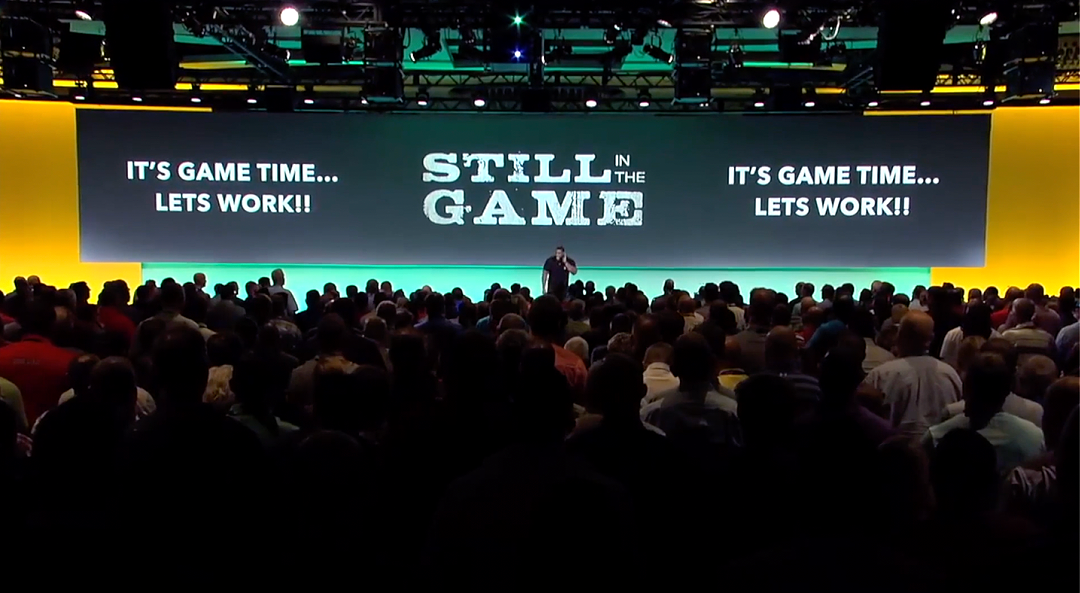
As a resilience and motivational speaker, Devon teaches those skills. His keynote on overcoming adversity goes beyond motivation. Audiences leave knowing how to handle setbacks, stay hopeful and keep moving forward.
Real mental toughness isn’t never getting knocked down. It’s knowing how to get back up.

Adversity is universal. Resilience changes the outcome.
Most people will face serious adversity in their lifetime, yet few feel equipped to bounce back from it. The good news: the people around us, and the skills we build, make a measurable difference.
Sources: Meta-analysis of resilience and mental health; research on resilience and subjective well-being (Yıldırım & Arslan, 2022).
When adversity hits, people need more than a pep talk
Organizations bring Devon in when their people are facing:
- Constant change that leaves teams drained and uncertain
- Setbacks and losses, at work and at home, that knock people off course
- Stress and burnout that wear down even the strongest performers
- Pressure to perform when the stakes are high and the margin is thin
- Fear of failure that keeps people from taking the next step
- A hard season the whole organization is working through together
Devon gives them the tools to get through it, and grow from it.
Five skills for bouncing back
Managing your emotions under pressure
Staying steady when things go wrong.
Changing the story you tell yourself
How the way you see a setback shapes what you do next.
Staying hopeful
Building real confidence that better days are ahead.
Adapting fast
Shifting your thinking when the plan falls apart.
Believing in yourself
Being kind to yourself after a setback and trusting you can reach your goals.
No stranger to adversity
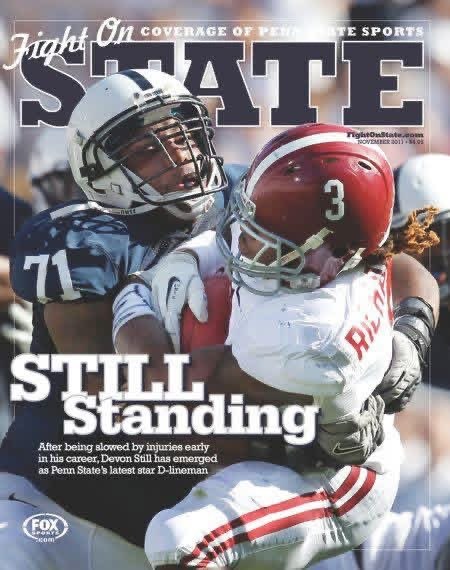
Devon is no stranger to adversity. He overcame a rough childhood growing up in poverty. At Penn State, he fought back from two back-to-back injuries to become one of the best defensive players in the program’s history, earning consensus All-American and Big Ten Defensive Player of the Year honors before being drafted 53rd overall by the Cincinnati Bengals. In 2011, Fight On State put him on the cover with two words: Still Standing.
Then his 4-year-old daughter Leah was diagnosed with stage 4 cancer. Today she is cancer-free.
His comeback didn’t stop on the field. He went from barely graduating from Penn State to earning his MBA. Then he went to the University of Pennsylvania to learn the science behind resilience so he could teach it to others. He earned his Master of Applied Positive Psychology and went on to serve as an assistant instructor in the program.
Years after that cover called him Still Standing, he teaches others how to get back up.
Who books this keynote
Before every event, Devon asks what you want your audience to know, feel and do when they leave. Then he builds the talk around that answer.
- Corporate events
- Healthcare organizations
- Associations
- Sports teams
- Schools
Formats: keynote, workshop, panel, fireside chat and Q&A, in person or virtual.
Devon spoke powerfully and with sincerity on a range of topics that resonated deeply with our staff of scientists and clinicians. I received overwhelmingly positive feedback speaking to the authenticity of his message.Kenneth Hance VP, GSK Oncology
Trusted by organizations including Chick-fil-A, Walmart, Uber, Target, the FBI, Pfizer, GSK, Nemours Children’s Health, Lone Star College and Dick’s Sporting Goods.
Common questions
What makes Devon different from other resilience keynote speakers?
Devon pairs lived experience, from growing up in poverty to the NFL to his daughter’s cancer fight, with a Master of Applied Positive Psychology from UPenn. Audiences get the story and the practical skills to build resilience themselves.
Who is this resilience keynote for?
Corporate events, healthcare organizations, associations, sports teams and schools. Every talk is tailored to the audience in the room.
Can resilience really be learned?
Yes. Resilience is a set of skills, like managing emotions, reframing setbacks and staying hopeful, that anyone can build with practice.
What formats are available?
Keynotes, workshops, panel discussions, and fireside chats or Q&A, in person or virtual.